
Master Healthy Meal Planning and Cooking Techniques
Discover the complete framework for preparing nutritious meals at home. Learn essential kitchen techniques, strategic planning methods, and practical approaches to transform your daily cooking.
The information on this site is for educational purposes only and does not constitute medical advice. Always consult a qualified healthcare professional before making health decisions.
Core Features of Our Program
Weekly Meal Planning Framework
A structured five-step process for designing your weekly menu. Learn how to balance nutrition, budget your ingredients, and prepare a shopping list that aligns with your household needs and dietary preferences.
Essential Knife and Prep Skills
Master fundamental cutting techniques including julienne, brunoise, and chiffonade. Understand proper knife handling, safety protocols, and how efficient prep work saves time during cooking. Build foundational skills that improve every meal you prepare.
Core Cooking Methods Explained
Understand the science behind steaming, sautéing, roasting, simmering, and baking. Learn when to use each technique, how temperature affects outcomes, and how proper method selection enhances both flavor and nutritional content of your meals.
Whole Food Ingredient Selection
Learn how to identify quality ingredients, understand seasonal availability, and build a sustainable pantry. Discover what makes certain vegetables, grains, and proteins superior choices for home cooking and long-term kitchen success.
Time-Efficient Kitchen Workflow
Organize your kitchen space and workflow for maximum efficiency. Understand mise en place principles, batch cooking strategies, and how to prepare multiple meals simultaneously. Save hours each week with intelligent kitchen management.
Nutritional Awareness and Balance
Learn how to construct balanced meals containing appropriate portions of vegetables, proteins, and whole grains. Understand macronutrient composition, how cooking methods affect nutrient content, and strategies for consistent, sustainable eating patterns.
5-Step Framework to Weekly Meal Success
Assess Your Week
Review your schedule, identify busy evenings, plan for social meals, and establish realistic cooking time available.
Design Your Menu
Select recipes, ensure dietary variety, account for seasonal ingredients, and create a coherent seven-day eating plan.
Build Your Shopping List
Itemize all ingredients by category, check your pantry inventory, and organize purchases for efficient shopping.
Execute Prep Work
Wash, chop, portion, and store ingredients using proper preservation methods to enable quick meal assembly throughout the week.
Cook with Confidence
Apply proper cooking techniques, manage multiple dishes simultaneously, and enjoy meals you've prepared with intention and skill.
Essential Cooking Techniques Breakdown
Every cook should master a fundamental set of techniques that form the foundation of kitchen work. These methods appear repeatedly in recipes and home cooking, making them essential knowledge for anyone serious about meal preparation.
Understanding the science behind each technique—why certain temperatures matter, how timing affects outcomes, and what sensory cues indicate doneness—transforms you from someone following instructions to someone understanding principles. This knowledge transfers across recipes and cuisines.
- Moist-heat methods: Steaming and simmering preserve nutrients while creating tender results
- Dry-heat methods: Roasting and sautéing develop complex flavors through the Maillard reaction
- Combination methods: Braising blends moist and dry cooking for rich, developed flavors
- Speed cooking: Stir-frying and high-heat searing create restaurant-quality results at home
Why Structured Meal Planning Matters
Without a System
- Daily decisions about what to cook create stress and fatigue
- Inefficient shopping leads to wasted ingredients and food spoilage
- Inconsistent eating patterns and reliance on convenience foods
- Limited kitchen skills prevent cooking beyond basic recipes
- Lack of structure means meals vary widely in nutritional quality
With Our Framework
- Weekly planning removes daily decision-making and reduces kitchen stress
- Organized shopping by category saves time and money
- Strategic prep work enables quick, reliable meals every day
- Mastering techniques expands your cooking confidence and repertoire
- Consistent meals with balanced nutrition become the default
Visual Recipe Inspiration
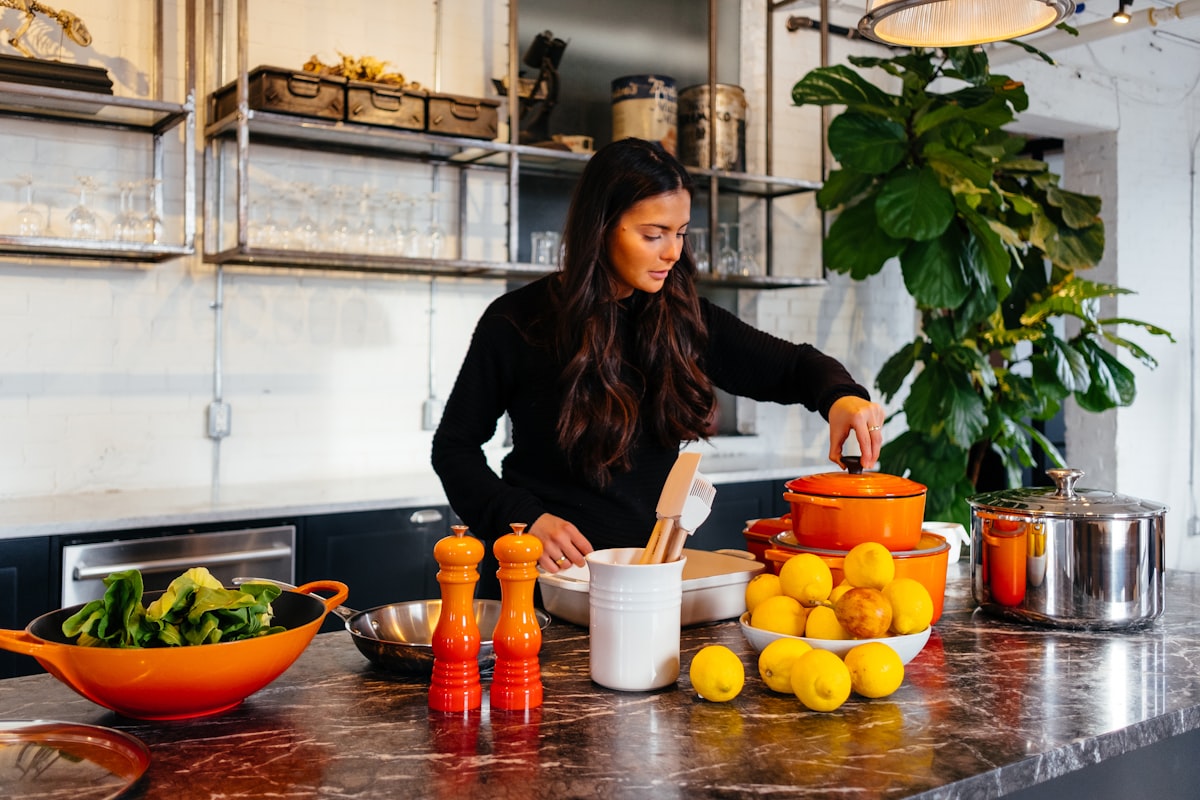
Rainbow Vegetable Stir-Fry
Master the high-heat technique with seasonal vegetables. Learn timing to preserve crunch and color while developing flavor.
View Recipe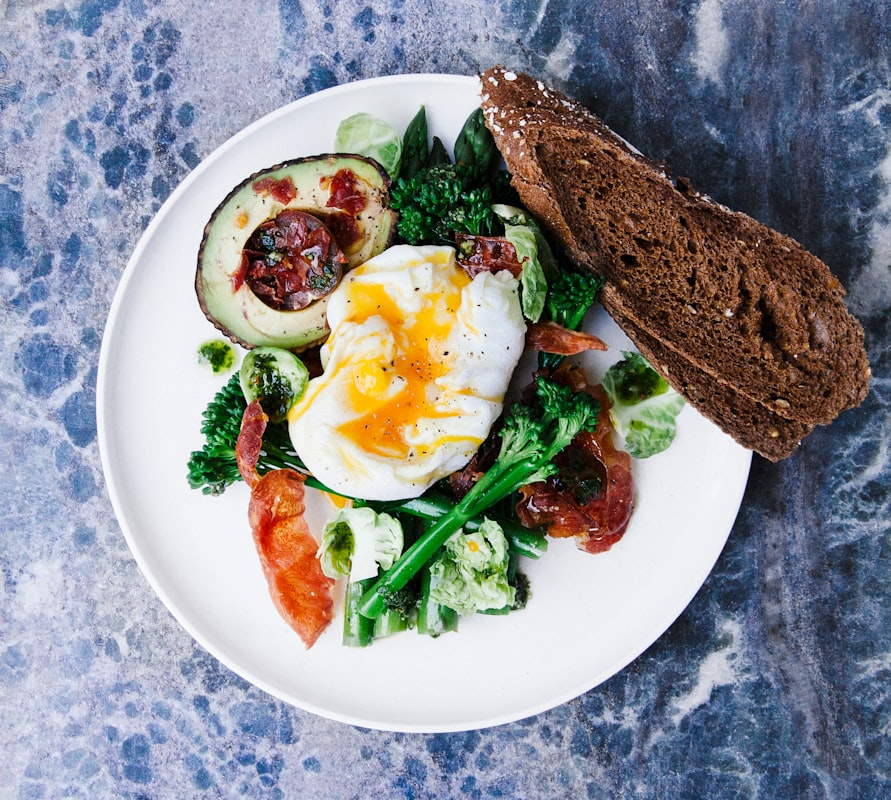
Balanced Grain and Protein Bowl
Learn roasting technique and proper grain cooking. Build a complete, satisfying meal with diverse whole foods.
View Recipe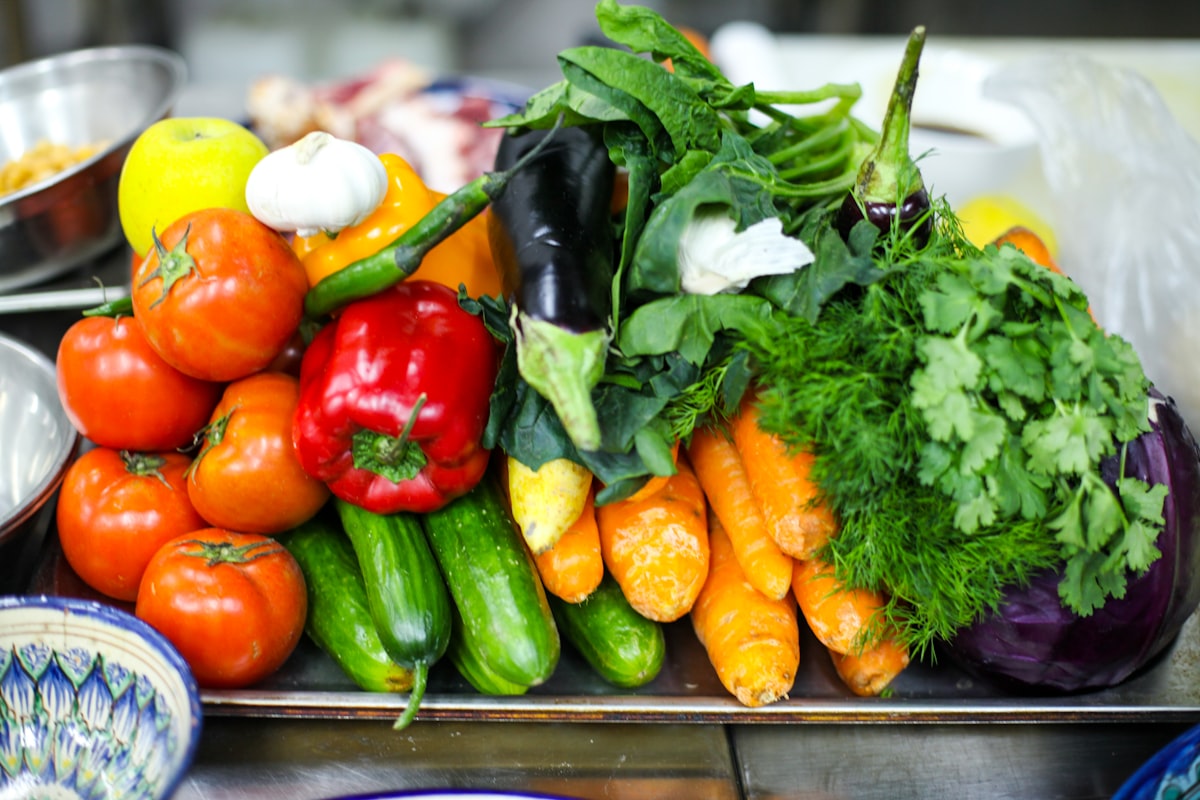
Slow-Simmered Vegetable Soup
Explore the moist-heat method for developing deep flavors. Create a nourishing base that improves over multiple days.
View Recipe
Herb-Baked White Fish
Master baking technique for delicate proteins. Learn temperature control and aromatics for elegant, simple meals.
View Recipe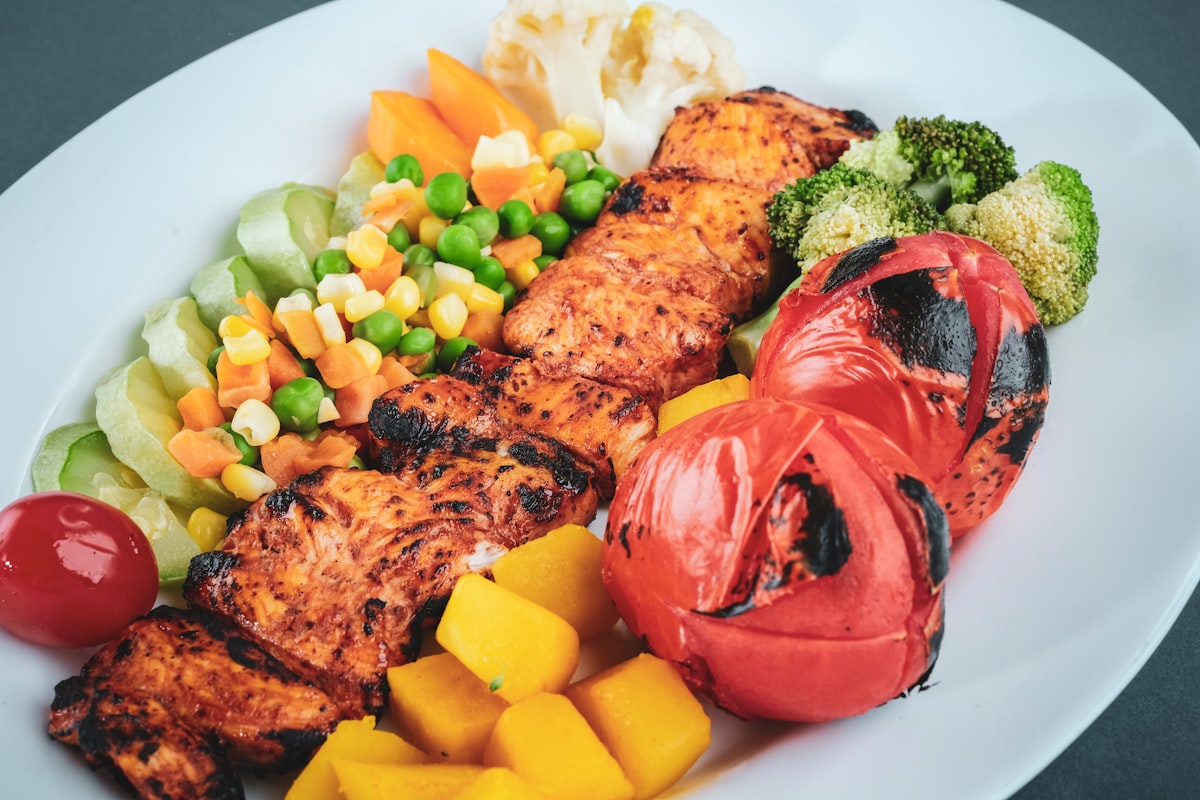
Caramelized Root Vegetables
Understand dry-heat roasting to develop sweet, complex flavors. Transform simple ingredients with proper technique.
View Recipe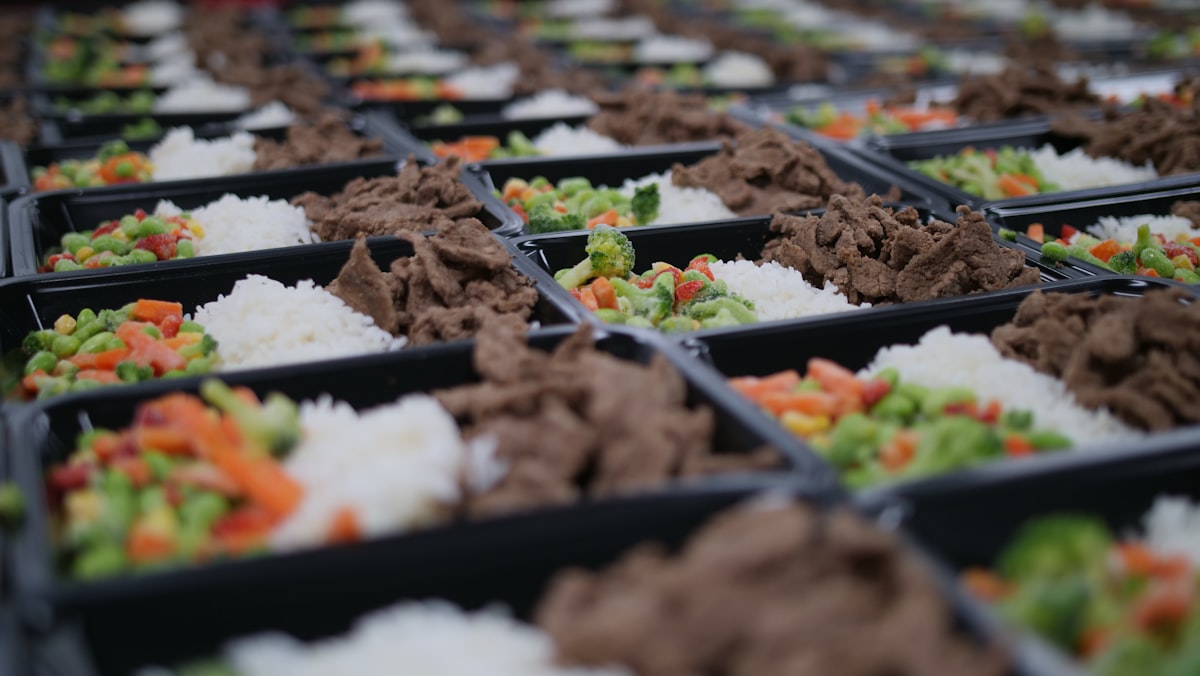
Braised Leafy Greens
Learn combination cooking method that creates tender, flavorful vegetables. A versatile technique for many produce types.
View RecipeCommon Questions About Meal Prep
How much time does meal planning require each week?
Initial planning takes 30–45 minutes for shopping list creation and recipe selection. Prep work typically requires 1.5–2 hours depending on complexity. Once you develop a routine, time decreases significantly as you reuse favorite recipes and refine your workflow.
What if I dislike a planned meal?
Build flexibility into your framework. Plan 5–6 meals for a seven-day week, allowing 1–2 flexible evenings for restaurant meals or simple alternatives. Keep versatile pantry items available for unexpected adjustments without abandoning your overall structure.
Which cooking techniques are best for beginners?
Start with steaming (easiest, most forgiving) and roasting (develops flavor with minimal skill). Progress to sautéing once you understand heat control. Simmering and braising follow naturally as confidence builds. Stir-frying is best learned after mastering other methods.
How do I store prepped ingredients safely?
Cut vegetables keep 3–5 days in airtight containers; cooked grains last 4–5 days; cooked proteins last 3–4 days. Store items in order of expiration date so older items are used first. Keep a prep log noting prep dates for easy reference throughout your week.
Can I adapt recipes to seasonal ingredients?
Absolutely. Seasonal ingredients are fresher, more affordable, and more flavorful. Once you understand cooking principles, you can substitute vegetables and proteins while maintaining the same technique. Plan around what's available at farmers markets and local shops.
What equipment do I really need to start?
Begin with essentials: a sharp chef's knife, cutting board, large pot, skillet, baking sheet, and mixing bowls. Add items gradually based on what you cook most. Expensive equipment rarely improves results—technique and quality ingredients matter far more than gadgets.
Success Stories from Our Community
"I was completely overwhelmed by cooking. The five-step framework made everything manageable. Now I spend two hours on Sunday and eat well all week. My family actually thanks me for dinner now."
Márta D.
Budapest, Hungary
"Learning proper knife skills and cooking techniques genuinely changed how I experience the kitchen. I'm no longer scared of recipes—I understand the methods behind them. The roasting section alone was worth it."
László K.
Győr, Hungary
"The meal planning structure reduced my grocery costs by about 30% because I'm no longer wasting ingredients. Plus the recipes actually taste good—I'm using techniques I learned, not just following instructions anymore."
Marcus Kim
Food blogger & Home Cook
"I thought cooking organic meant complicated and expensive. This course proved me wrong. The instructors make it accessible and fun. I've completely changed how my family eats."
Sarah Rodriguez
Parent & Wellness Coach
Ready to Master Organic Cooking?
Join thousands of students who've transformed their kitchens and their lives. Start your free trial today—no credit card required.